
The Philippine men’s baseball team entered the 2026 Aichi-Nagoya Asian Games with confidence after winning its third consecutive Southeast Asian Games gold medal in 2025. The challenge in Japan is considerably more difficult, with the Philippines drawn against host Japan, China, and Palestine in Group A.
The team opened its campaign with an impressive 12–0 victory over Palestine at Toyohashi Municipal Baseball Stadium. For supporters following the latest Asian Games baseball updates through superace88, the result provided an encouraging start before the Philippines’ more difficult games against China and Japan.
The baseball competition runs from September 21 to 27 at venues in Okazaki and Toyohashi. Group B contains South Korea, Chinese Taipei, Hong Kong, and Thailand.
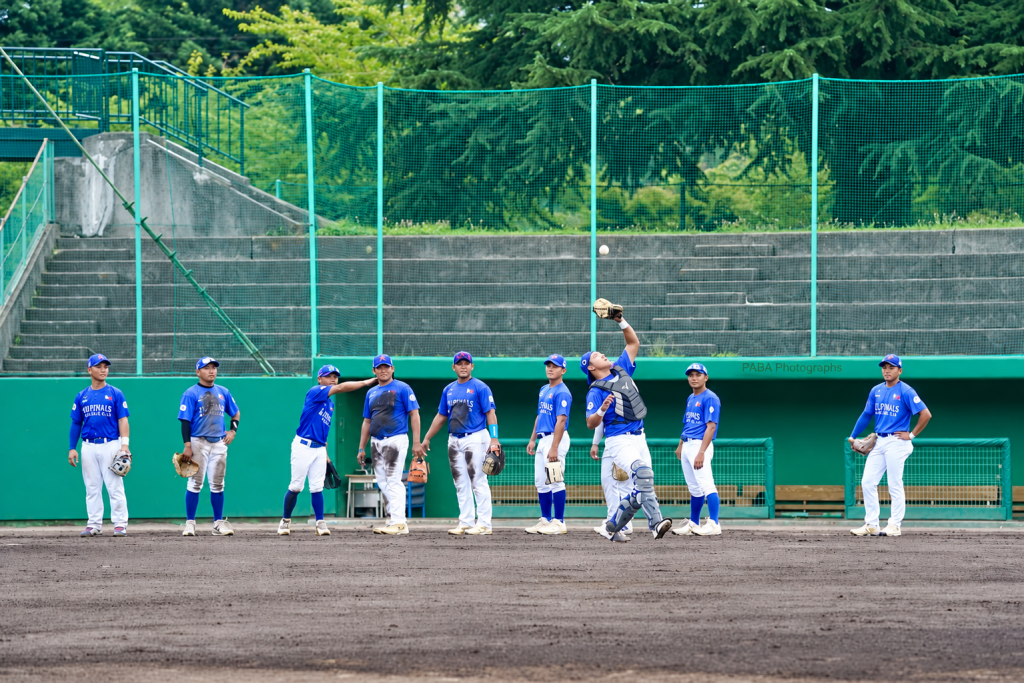
Philippines’ Asian Games Campaign
The Philippines began the preliminary round against Palestine, which was making its Asian Games baseball debut. The Filipino batters controlled the game and completed a 12–0 victory after seven innings.
The shutout was important because it gave the pitching staff a positive start while improving the Philippines’ run differential. The team must now carry that performance into much stronger opposition.
China lost its opening game to Japan, 11–3, while the Philippines took the early Group A lead based on its dominant victory.
Philippines Group-Stage Schedule and Results
| Date | Opponent | Status or Result | Venue | Main Objective |
|---|---|---|---|---|
| September 21, 2026 | Palestine | Won 12–0 | Toyohashi | Establish pitching control and build run difference |
| September 22, 2026 | China | Scheduled | Okazaki | Win the key battle for advancement |
| September 23, 2026 | Japan | Scheduled | Toyohashi | Compete against the group favorite |
| September 25–26, 2026 | Super Round | To be determined | Okazaki/Toyohashi | Pursue a place in the medal games |
| September 27, 2026 | Medal Games | To be determined | Okazaki/Toyohashi | Bronze-medal game or final |
The official tournament format sends the leading teams from each group into the Super Round. Results at this stage determine which teams advance to the gold-medal and bronze-medal games.
Readers checking the latest tournament developments on superace88 should pay close attention to the China game because it could determine whether the Philippines reaches the next phase.
What the 12–0 Opening Win Revealed
A large victory over Palestine does not guarantee similar results against China or Japan. However, the performance demonstrated several positive qualities.
First, the Philippines avoided an early upset and played with the discipline expected from an experienced regional champion. Second, the pitching and defense prevented Palestine from scoring. Third, the lineup produced enough offense to finish the game early under the tournament’s run-difference rules.
| Performance Area | Opening-Game Assessment | Importance Going Forward |
|---|---|---|
| Run production | Excellent | Must continue creating pressure with runners on base |
| Run prevention | Excellent | Pitching depth will be tested by China and Japan |
| Defensive execution | Strong | Errors must remain limited against better lineups |
| Game control | Strong | Early leads protect the bullpen |
| Run difference | +12 | Could matter in group-stage ranking scenarios |
The next challenge is translating that dominance into competitive at-bats against pitchers with greater velocity, command, and breaking-ball quality.
Philippine Players to Watch
Public reports have highlighted several experienced figures connected to the national program, including veteran catcher Steven Manaig, leadoff hitter Jenald Pareja, and Mark Beronilla. Mark Beronilla and JR Vargas were also identified among the players representing the Philippines at the Games.
Because a complete official statistical roster has not been consistently published across accessible tournament sources, the most useful analysis focuses on their confirmed roles and tactical importance.
| Player | Primary Role | Tactical Importance |
|---|---|---|
| Steven Manaig | Veteran catcher | Manages pitchers, controls the running game, and organizes defensive positioning |
| Jenald Pareja | Leadoff hitter | Sets the offensive tempo and attempts to reach base before the middle of the order |
| Mark Beronilla | Versatile developing player | Offers athleticism, lineup flexibility, and experience from the national program |
| JR Vargas | National-team player | Provides additional depth for lineup and defensive combinations |
| Starting pitchers | Rotation | Must produce efficient innings against China and Japan |
| Relief pitchers | Bullpen | Protect narrow leads and escape high-pressure situations |
Steven Manaig: Leadership Behind the Plate
The catcher is central to the Philippines’ tournament strategy. Manaig must help the pitching staff change speeds, select locations, and prevent opposing runners from taking extra bases.
Against aggressive teams, pitch selection becomes especially important. The Philippines cannot rely exclusively on fastballs in predictable counts.
Jenald Pareja: Setting the Table
As a leadoff hitter, Pareja’s main responsibility is to reach base and force the defense to react. A productive opening hitter can create opportunities for sacrifice bunts, hit-and-run plays, stolen bases, and early run production.
His value is not limited to hits. Long at-bats can raise the opposing pitcher’s pitch count and reveal how the pitcher plans to attack the rest of the lineup.
Mark Beronilla and JR Vargas: Depth and Flexibility
Short tournaments require players who can fill multiple roles. Beronilla and Vargas can become important when the coaching staff adjusts the lineup according to pitching matchups, defensive requirements, and player fatigue.
A flexible roster also helps the Philippines respond if a game extends into additional innings or if the bullpen requires greater support.
The Philippines’ Likely Baseball Identity
The Philippines cannot approach every opponent with the same tactical plan. Against Palestine, the team had enough offensive superiority to build a large lead. Against China and Japan, run-scoring opportunities may be limited.
The national team’s most effective identity should combine:
- Contact hitting instead of excessive swing-and-miss
- Aggressive but calculated base running
- Sacrifice bunts in high-value situations
- Strong catcher-pitcher communication
- Clean infield defense
- Careful bullpen management
- Timely hitting with runners in scoring position
Philippines vs. China Match Analysis
The meeting with China is the pivotal game of the preliminary round. Japan entered the tournament as the likely Group A favorite, making the Philippines-China matchup particularly important for the remaining qualification position.
China’s 11–3 defeat against Japan does not mean it should be underestimated. Japan has one of the strongest baseball systems in Asia, and China may present a different pitching plan against the Philippines.
Fans evaluating the matchup through superace88 should focus on starting pitching, defensive errors, walks, and performance with runners in scoring position rather than relying only on the opening scores.
Five Keys to Beating China
1. Score Before China Settles Into the Game
An early run would reduce pressure on the Filipino starting pitcher. The top of the order must make productive contact and avoid giving away quick outs.
2. Force the Starting Pitcher to Work
The Philippines should avoid chasing breaking pitches outside the strike zone. Longer at-bats can increase the pitcher’s workload and create earlier access to the bullpen.
3. Limit Free Bases
Walks, hit batters, passed balls, and defensive errors can become more damaging than hard contact. The pitching staff must challenge hitters while keeping the defense prepared.
4. Use Speed Selectively
Stolen-base attempts and hit-and-run plays can disrupt China’s defensive rhythm. However, unnecessary outs on the bases would remove valuable scoring opportunities.
5. Protect a Late Lead
If the Philippines enters the final innings ahead, bullpen roles must be clearly defined. The coaching staff should avoid waiting too long before making a pitching change.
Philippines vs. China Tactical Comparison
| Category | Philippines’ Priority | China’s Possible Approach |
|---|---|---|
| Starting pitching | Throw strikes and work efficiently | Force long counts |
| Leadoff offense | Put runners on base | Control the running game |
| Small ball | Move runners into scoring position | Defend bunts aggressively |
| Power hitting | Wait for mistakes over the plate | Use breaking pitches |
| Defense | Avoid extra outs and throwing errors | Apply pressure with runners on base |
| Bullpen | Match relievers to key hitters | Attack inexperienced relief pitching |
| Late innings | Execute with discipline | Create pressure through aggressive swings |
The Major Test Against Japan
Japan defeated China 11–3 in its first game and remains the strongest opponent in Group A. Its amateur national roster contains experienced pitchers, catchers, infielders, and outfielders drawn from a highly developed baseball system.
The Philippines may not generate many scoring opportunities against Japan, making execution especially important.
Tactical Priorities Against Japan
| Tactical Area | Recommended Philippine Approach |
|---|---|
| First-pitch strategy | Look for hittable strikes without becoming predictable |
| Two-strike hitting | Shorten swings and use the opposite field |
| Base running | Avoid low-percentage risks |
| Pitching | Mix speeds and locations |
| Infield defense | Prepare for bunts and situational hitting |
| Outfield positioning | Prevent extra-base hits |
| Bullpen usage | Preserve key relievers for close situations |
The Philippines should not attempt to match Japan only through power. A more realistic plan is to keep the score close, limit extra-base hits, and create one decisive rally.
Why Pitching Depth Will Decide the Tournament
Baseball competition at the Asian Games takes place across several games in a short period. Teams cannot depend on one starting pitcher.
The Philippines needs:
- A starter capable of controlling the early innings.
- A middle reliever who can enter with runners on base.
- A late-inning pitcher for narrow leads.
- Additional arms prepared for Super Round games.
- A catcher who can manage different pitching styles.
Using too many pitchers against one opponent could weaken the team later in the tournament. However, leaving a struggling pitcher in the game for too long could end the Philippines’ medal hopes.
Offensive Strategy: Power or Small Ball?
The 12-run performance against Palestine showed that the Philippines can produce offense. Against elite opposition, however, the team may need to manufacture runs.
| Offensive Situation | Possible Strategy |
|---|---|
| Leadoff runner reaches first | Hit-and-run or controlled steal attempt |
| Runner on second with no outs | Advance runner with contact or sacrifice |
| Runner on third with fewer than two outs | Prioritize a fly ball or contact play |
| Two outs with runners on base | Protect the plate and seek a line drive |
| Late inning in a tie game | Use pinch runner and situational hitter |
| Large early deficit | Avoid excessive bunting and seek extra-base contact |
Small-ball tactics should not be used automatically. The coaching staff must consider the inning, score, hitter, pitcher, and available bench options.
Can the Philippines Reach the Medal Round?
The Philippines has regional championship experience and began the Asian Games with the ideal result. A 12–0 opening victory improves confidence, run difference, and pitching management.
The path becomes much harder against China and Japan. To enter medal contention, the team needs disciplined pitching, reliable defense, productive leadoff hitting, and better execution in close games.
A victory over China would significantly improve the Philippines’ chance of progressing. The Japan game would then provide an opportunity to test whether the Filipino roster can compete with one of Asia’s strongest baseball systems.
Supporters following the campaign on superace88 should continue monitoring official results, starting pitchers, lineup changes, injuries, and Super Round standings.
The Philippines has already shown it can dominate regional baseball. Its next objective is to demonstrate that the same discipline, pitching intelligence, and tactical flexibility can produce results against the continent’s leading teams.