
Editorial review: 3 August 2026 · Prepared by the SuperAce88 editorial team.
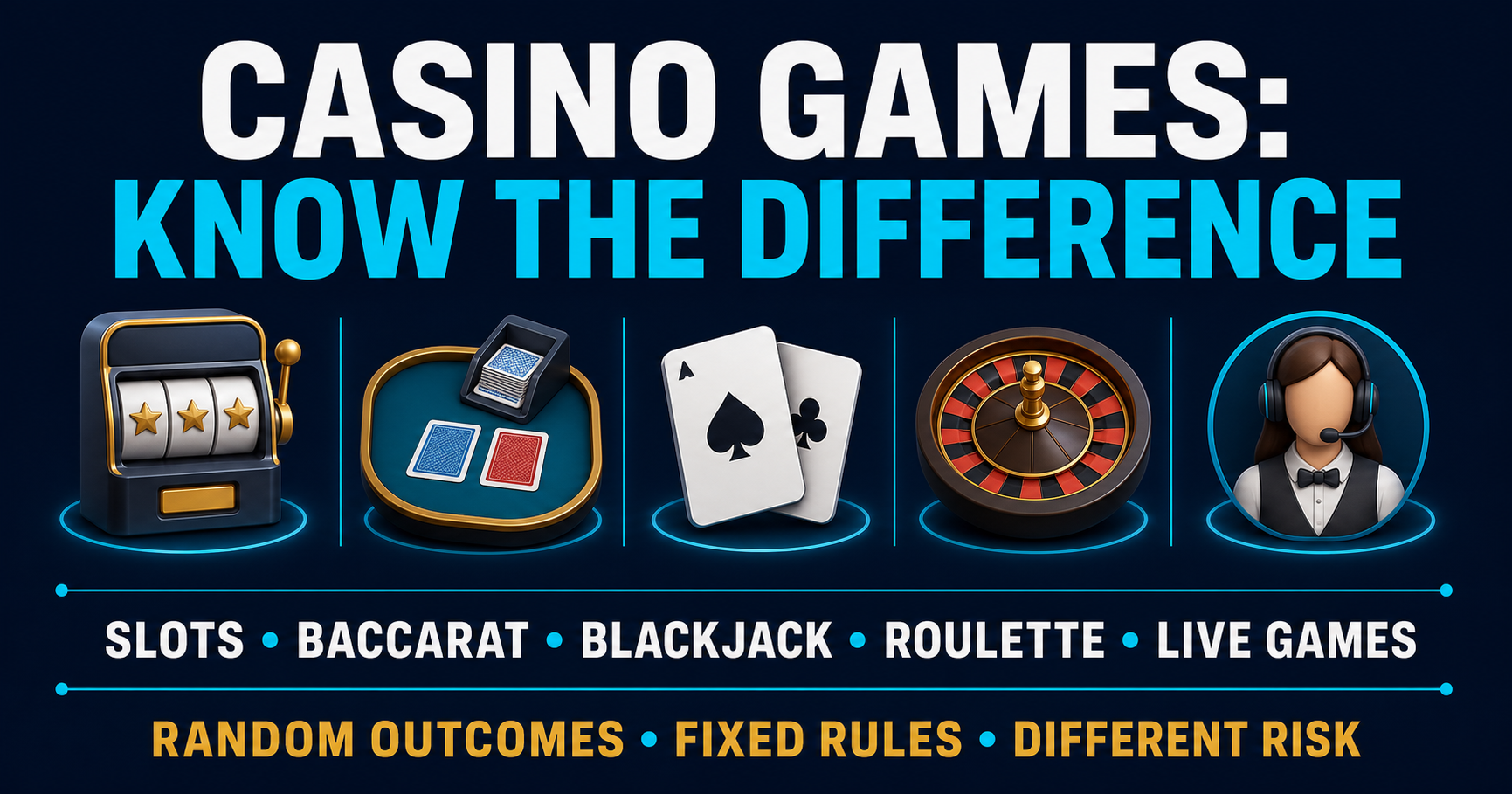
Casino game rule sheets should tell you how a result is produced, what resolves a bet, what the probability or payout information means, and which limits or exceptions apply. This page is a disclosure audit: it shows what to verify on the live game screen before any wager. It does not rank games, teach beginner mechanics or promise that complete rules make gambling profitable.
Quick answer: open the exact game’s help or information panel. Confirm the outcome method, paytable and bet resolution, RTP or house edge where applicable, total stake, maximum payout, feature rules and interruption policy. If a material rule is missing or unclear, do not bet.
Casino game rule sheets should answer four questions
A useful rule sheet is specific to the game version on screen. A provider’s general catalog or an article about a similarly named game is not a substitute. Before committing money, the live panel should let you answer:
- How is the result produced? For example, an RNG, a live dealer, a physical wheel or another stated method.
- How is the bet resolved? The qualifying result, payout unit, commission, line rule, side bet or settlement window should be clear.
- How is likelihood disclosed? Look for RTP, house edge, odds or event probability where applicable.
- What limits and exceptions apply? Check minimum and maximum total stake, maximum payout, feature conditions, interrupted rounds and version-specific changes.
The UK Gambling Commission’s technical guidance is used here as a transparency benchmark, not as a certification of SuperAce88 or any specific game. Its guidance says rules should be accessible before gambling and likelihood information should be available through measures such as RTP, house edge or event probability.
Rule-sheet disclosure audit
| Disclosure field | What the live screen should explain | What to record | Reason to stop |
|---|---|---|---|
| Outcome method | How the result is created and displayed | Provider, game title, version and method | The method or exact game identity is unclear |
| Bet resolution | What qualifies, how payouts are calculated and when the bet closes | Paytable, commission, line or hand rule, side-bet terms | You cannot calculate the total wager or understand a winning result |
| Likelihood | RTP, house edge, odds or event probability where applicable | The value, conditions, source screen and capture date | A review claims a number that the live version does not show |
| Limits | Minimum and maximum total stake, maximum payout and session controls | Currency, complete stake and payout cap | The displayed coin value hides the total cost |
| Exceptions | Feature triggers, rule changes, interruptions, voids and settlement steps | Relevant help text and support response | Material exceptions are missing or contradictory |
1. Verify the outcome method and exact version
Start with identity. Record the provider, full game title and any version shown in the help panel. A similar name can use different settings, and a live table can apply different rules from another table in the same lobby.
For RNG games, the visual sequence presents the result; it should not be read as a clue to the next outcome. The Commission’s RTS 7 benchmark requires random outputs to be unpredictable and implemented according to the published rules. That is why recent wins, losses, spins or streak boards are not substitutes for the rule sheet.
2. Trace one bet from stake to settlement
Do not stop at the minimum coin or chip displayed. Work out the complete amount committed to one round. For a slot, that may require checking active paylines or ways and any optional feature purchase. For a table or live game, it may require separating the main wager from side bets, commission or variant-specific payouts.
The rule sheet should also explain when betting closes, how a win or loss is determined, and what happens if a round disconnects or is interrupted. If you cannot follow one wager from placement to final balance adjustment, the disclosure is not clear enough.
3. Read RTP, house edge or odds in context
Probability disclosures are not interchangeable. RTP is a theoretical long-run measure under specified rules. House edge describes the operator’s theoretical advantage for a defined wager. Odds or event probabilities describe particular outcomes. None predicts what one person will receive in a short session.
Capture the value from the exact live help screen with the date and game version. Do not copy a percentage from an affiliate review, another operator or a differently configured game. If a rule sheet gives a maximum payout but no likelihood information, do not treat the maximum as an expected return.
4. Check limits, features and exceptions
Confirm the complete stake range and maximum payout before play. Then read optional feature, bonus and side-bet rules separately. A feature label such as “Free Game” does not make the original session risk-free; it describes rounds awarded under specified game rules.
Look for rules covering interrupted rounds, disconnections, voided results, changed paytables and support escalation. Save the relevant screen before a disputed round, because a later screenshot may show an updated version.
A five-minute live-screen check
- Identify: match provider, game title and version.
- Resolve: confirm the total stake, qualifying result and payout calculation.
- Measure: find RTP, house edge, odds or probability where applicable.
- Bound: record stake limits, maximum payout and feature conditions.
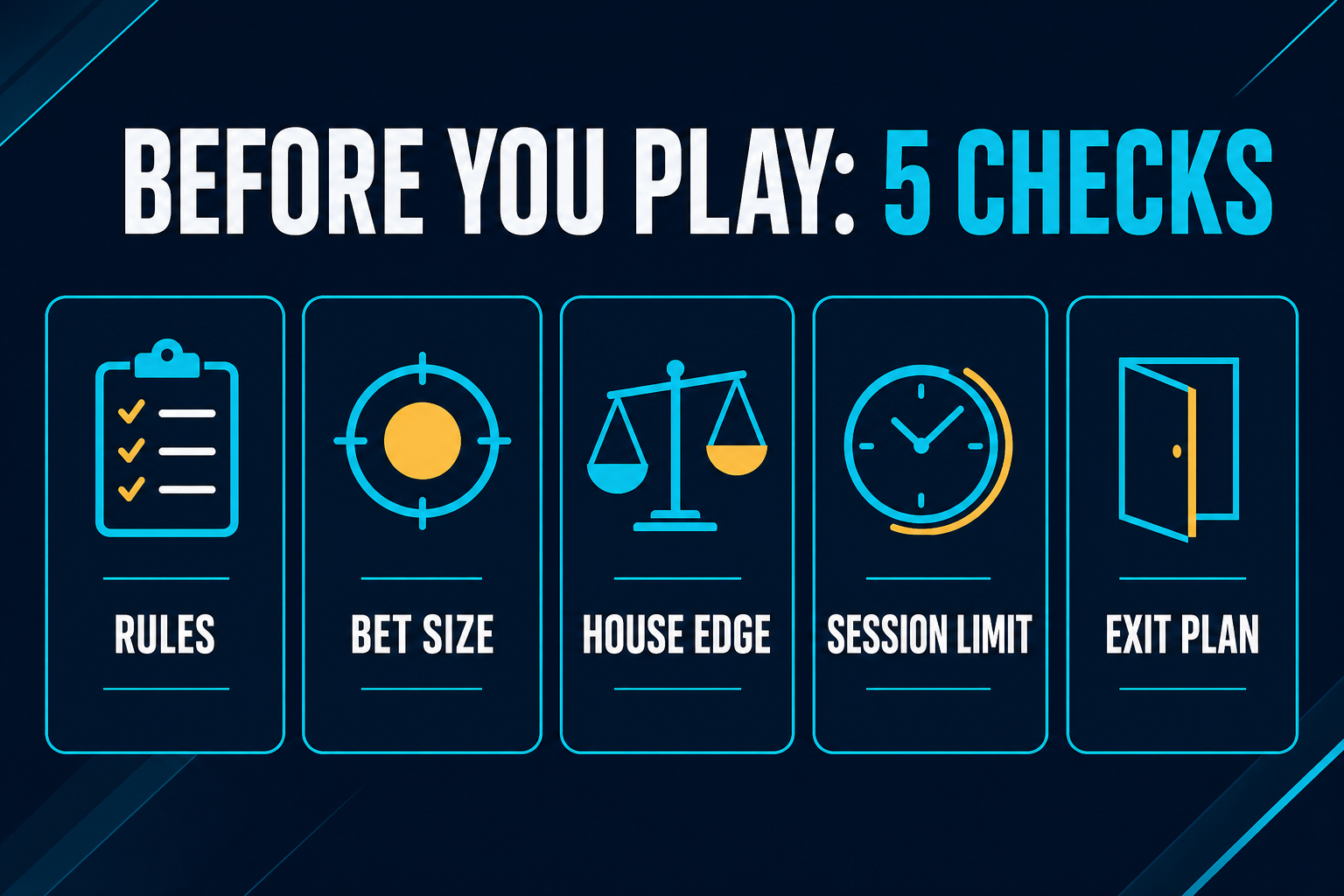
- Exit: decide a money and time limit before betting; stop if disclosure is incomplete.
What this page does not cover
This article audits live rule-sheet disclosure. If your task is choosing between game categories, use the game-selection checklist. If you need basic explanations of slots and table games, use the beginner mechanics guide. For account records, verification and payout evidence, see the deposit and withdrawal checklist.
Philippines-specific safeguards
This article does not assert that SuperAce88, a supplier or a payment method holds a Philippine licence. Regulatory status and access rules can change. Use the regulator’s current pages and official verification tools rather than a logo, screenshot or blog statement.
PAGCOR’s responsible gaming page states that gambling in its regulated environment is for people aged 21 and over. It advises setting time and money limits, expecting losses, not borrowing and not chasing lost money. It also provides self- and family-exclusion information. Complete disclosure does not remove financial or addiction risk.
Frequently asked questions
What should casino game rule sheets show?
They should identify the game and version, explain how results and payouts are determined, disclose likelihood information such as RTP or house edge where applicable, show the complete stake and payout limits, and explain material features and exceptions.
Is an RTP number enough to evaluate a rule sheet?
No. RTP does not explain short-session outcomes, total stake, volatility, feature costs, maximum payout or interrupted-round rules. It must also belong to the exact version being offered.
Why does the exact game version matter?
Similar titles or tables can use different paytables, limits, commissions or feature settings. Record the provider, title, version and capture date before relying on a value.
What should I do if a material rule is missing?
Do not place the wager. Ask support for the exact information and keep the response. If the live rule sheet and support answer remain incomplete or contradictory, choose not to play.
Sources and editorial method
- UK Gambling Commission, RTS 3: rules and likelihood of winning — last updated 7 May 2024; accessed 3 August 2026.
- UK Gambling Commission, RTS 7: generation of random outcomes — last updated 7 May 2024; accessed 3 August 2026.
- PAGCOR, Responsible Gaming — accessed 3 August 2026.
Method note: We used regulator guidance to define a disclosure audit. We did not treat promotional copy, an unverified licence badge, a maximum payout or a claimed withdrawal time as evidence of safety or profit.